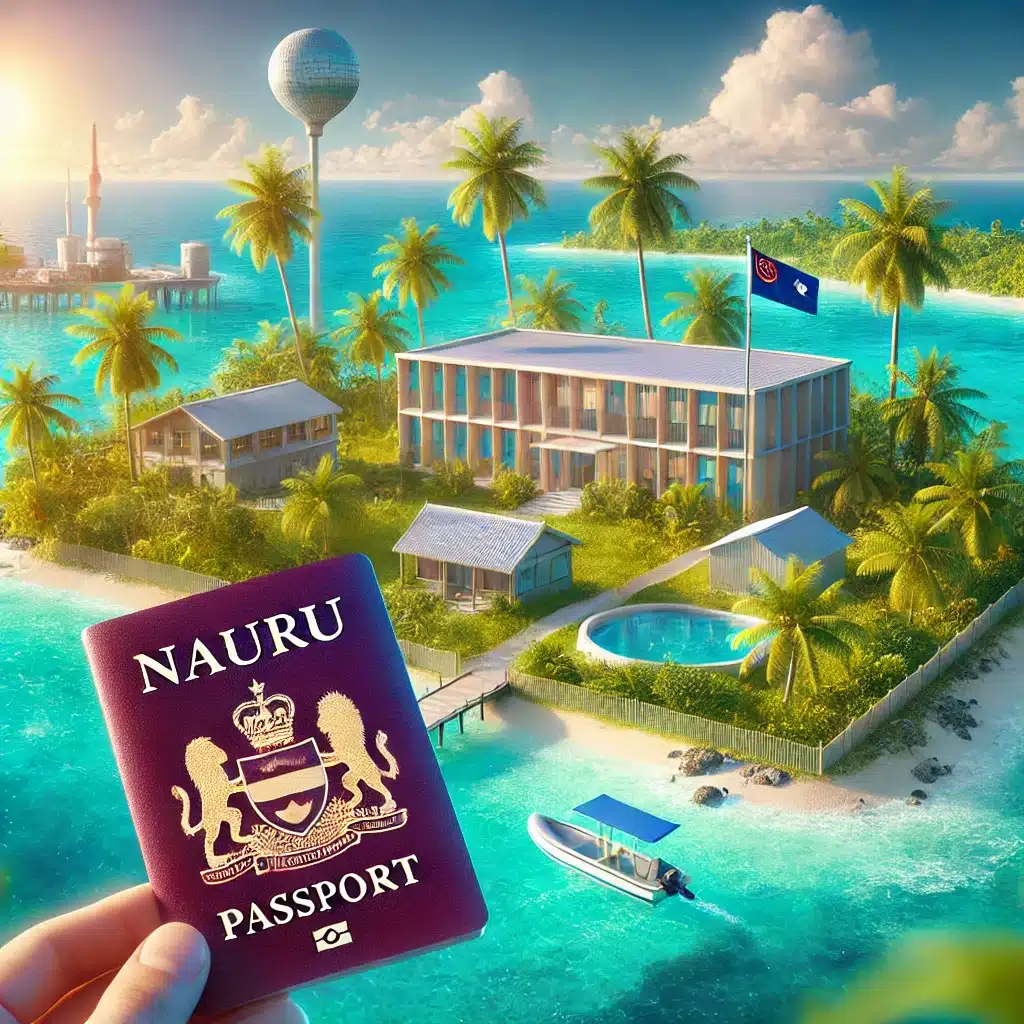
Nauru, a small island nation in the Pacific Ocean, is renowned not only for its picturesque beauty but also for its citizenship opportunities. Many individuals worldwide are curious about the criteria and process for acquiring Nauru citizenship. This guide will explore the essential aspects of Nauru citizenship, including its requirements, application process, and the benefits of being a citizen of this unique island. For more in-depth information, you can also visit Nauru Citizenship http://www.naurucitizenship.net/.
The Importance of Nauru Citizenship
Nauru’s citizenship carries weight and significance for individuals seeking new opportunities. Being a citizen of Nauru not only offers a sense of belonging but also provides various advantages, including the possibility of living in a thriving and diverse community. Nauru is home to a rich cultural heritage, and its citizens enjoy a relatively peaceful living environment.
Requirements for Nauru Citizenship
Obtaining Nauru citizenship is not as straightforward as in some other countries, but it is certainly attainable for those who meet specific criteria. Candidates for citizenship typically fall into several categories, each with its requirements:
1. Birthright Citizenship
Individuals born in Nauru automatically acquire citizenship. This extends to those born to Nauruan parents outside the island. The importance of birthright citizenship is particularly relevant for maintaining the cultural heritage and population of the island.
2. Naturalization
Foreign nationals are eligible for naturalization if they have resided in Nauru for a specified period, typically ten years. They must demonstrate good conduct and integration into Nauruan society. A proficient level of English is often expected, reflecting the language used in official and daily interactions.
3. Special Category Citizenship
In some cases, Nauru may grant citizenship to individuals who have made significant contributions to the island, such as investments or exceptional skills that could benefit the local economy. This category is not commonly exercised but is an important aspect of Nauru’s approach to citizenship.
The Application Process
The process of applying for Nauru citizenship can be complex and bureaucratic. Below are the essential steps involved:
Step 1: Initial Documentation
Applicants must gather essential documents, including proof of identity, residence status, and any relevant educational or professional qualifications. This initial step is crucial for demonstrating eligibility.
Step 2: Submission of Application
Once the documentation is complete, the application must be submitted to the Nauru Department of Immigration. The department will review the submitted materials for completeness and compliance with citizenship requirements.
Step 3: Interview
In many cases, applicants will be required to attend an interview. During this interview, officials will assess the individual’s language proficiency, knowledge of Nauruan culture, and their plans to integrate into society.
Step 4: Approval and Oath of Allegiance
If the application is approved, the candidate will be required to take an oath of allegiance to the

Republic of Nauru. This oath signifies the commitment to uphold the laws and values of the nation.
Benefits of Nauru Citizenship
Becoming a citizen of Nauru comes with several benefits, both socially and economically:
1. Access to Healthcare and Education
Citizens of Nauru have access to the country’s healthcare systems and education services. Nauru’s government has made strides in ensuring that its citizens receive quality healthcare, which is essential for improving the overall quality of life.
2. Political Rights
Nauru citizens have the right to participate in the nation’s political landscape through voting and running for public office. This inclusion fosters a sense of community and engagement among citizens.
3. Economic Opportunities
Citizens may benefit from local economic opportunities and government programs aimed at bolstering local business and employment initiatives. Furthermore, the ability to reside in a peaceful environment may provide a stable foundation for entrepreneurial ventures.
Challenges Faced by Citizen Applicants
While Nauru offers numerous advantages, applicants must navigate challenges in the process:
1. Strict Residency Requirements
The ten-year residency requirement for naturalization can be a daunting obstacle for many applicants. This extended duration may deter individuals who cannot commit to such a long period of residency.
2. Bureaucratic Delays
The application process can sometimes be fraught with bureaucratic delays, leading to long waiting periods. Applicants need to remain patient and persistent in navigating the system.
3. Integration into Society
Successful integration into the local culture and community is paramount for citizenship approval. This goal can be challenging for applicants who may face language barriers or cultural differences.
Conclusion
Nauru citizenship offers a unique opportunity for individuals looking to secure their future on a beautiful island in the Pacific. While the process of obtaining citizenship may be challenging, the benefits of citizenship, including access to healthcare, political rights, and economic opportunities, can be well worth the effort. For those considering this option, thorough preparation and an understanding of the requirements will be essential in successfully navigating the journey to becoming a citizen of Nauru.