Jordan 1 Sneakers Colorways That Revolutionized the Sneaker World Forever
More than just a athletic shoe, the Air Jordan 1 is the canvas on which modern footwear culture was painted. Since Peter Moore’s first design dropped in 1985, the Jordan 1 shoe has been released in well over 700 cataloged colorways, and yet only a handful have earned the kind of cultural influence that changes whole industries. These are the colorways that caused chaos at launch events, generated millions in resale value, motivated clothing creators, and became emblems of identity for generations of fans. Each colorway highlighted here didn’t just push units — it shifted the paradigm on what kicks could represent in broader culture. In 2026, the Air Jordan 1 continues to be the most iconic shoe silhouette on the planet, and the colorways below illustrate exactly why that supremacy has endured for over four decades. This is the ultimate look at the Jordan 1 colorways that redefined everything.
Chicago (1985): The One That Started It All
Every discussion of sneaker culture starts with the Air Jordan 1 “Chicago” — the white, black, and varsity red colorway that Michael Jordan wore during his first season with the Bulls in 1985. This was the sneaker that air jordan Nike risked its basketball ambitions on, committing a record-breaking $2.5 million endorsement contract in a rookie who hadn’t yet played a single pro game. The color blocking was consciously attention-grabbing, designed to match the Chicago Bulls’ home uniform and stand out on television coverage that were still mainly viewed on smaller televisions. In its debut year, the Chicago colorway helped generate $126 million in sales, a amount that exceeded Nike’s most bullish estimates by a factor of forty. In 2026, an original 1985 pair in brand-new condition can reach prices between $15,000 and $40,000 varying by size and origin, making it one of the most expensive consumer-grade items in history. Every retro drop of the Chicago — in 1994, 2013, 2015, and the “Lost and Found” iteration in 2022 — has flown off shelves within minutes, proving that this colorway’s cultural pull has not faded one bit across four decades.
Bred / Banned (1985): Controversy as Marketing Genius
Known widely as “Bred” or “Banned,” the black and red Air Jordan 1 occupies a unmatched place as the sneaker that transformed a dress-code breach into the greatest marketing campaign in footwear history. The NBA charged Michael Jordan $5,000 per game for rocking kicks that violated the league’s mandated 51% white rule, and Nike happily paid every fine while crafting advertisements that leaned directly into the drama. The “Banned” story converted a basic pair of shoes into a emblem of rebellion, self-expression, and the notion that boundaries are made to be pushed by the genuinely outstanding. This narrative connected intensely with the youth market in the mid-1980s and has been retold so many times that it’s now woven into American popular mythology. The Bred colorway has been re-released more than any other Jordan 1, with key drops in 2001, 2009, 2013, 2016, and 2025, each producing massive sell-outs. Resale data from StockX indicates that the Bred Jordan 1 consistently ranks in the top five most-traded kicks on the site year after year, proving a demand that never fades.
Royal Blue (1985): Hip-Hop’s Chosen Colorway
The Royal Blue Air Jordan 1 may not steal the spotlight like the Chicago or Bred, but it subtly turned into the sneaker of choice for New York City’s burgeoning hip-hop scene in the late 1980s. The striking black and royal blue combination went perfectly with the Kangol hats, gold chains, and denim that characterized original hip-hop culture, and the kick showed up in numerous clips, album artwork, and live stages throughout the decade. Artists from Run-DMC’s orbit to later generations of New York rappers embraced the Royal as a closet essential, cementing it into the visual language of hip-hop for decades. The 2017 retro release created over $30 million in resale transactions alone, and the 2024 “Royal Reimagined” release introduced high-end materials that attracted both OG collectors and a younger generation of consumers. What makes the Royal remarkable beyond looks is its part in connecting the worlds of basketball and music — it showed that a shoe could belong equally to an player and an creative. The Royal’s enduring popularity in 2026 shows that colorways connected to organic subcultural embrace have a longevity that ad spend alone cannot manufacture.
Shadow (1985): The Quiet Legend
The Air Jordan 1 “Shadow” in black and medium grey proved that understatement can be just as powerful as loud color schemes — a game-changing colorway doesn’t have to be loud. Dropped as part of the first 1985 lineup, the Shadow was initially considered as a lesser release relative to the Chicago and Bred, but it has evolved into one of the most desired and flexible colorways in the complete Jordan catalog. The restrained palette makes it one of the few Jordan 1s that can be worn with just about any outfit, from suits to streetwear, which gives it a everyday all-day wearability that more vivid colorways often miss. Style influencers and stylists regularly recommend the Shadow as the “perfect first Jordan 1” because of its talent for pairing with rather than clash with the rest of an outfit. The 2018 retro drop flew off shelves in minutes and commanded $280 on the secondary market, while the 2023 “Shadow 2.0” brought a reverse color blocking that polarized fans but sold out anyway within hours. The Shadow’s evolution from underrated release to coveted collectible clearly demonstrates how sneaker culture’s taste evolves over time, often lifting the understated over the flashy.
| Colorway | Debut Release | Key Retro Years | Estimated Resale (DS, 2026) | Historical Significance |
|---|---|---|---|---|
| Chicago | 1985 | 1994, 2013, 2015, 2022 | $300–$40,000+ | Birth of sneaker culture |
| Bred / Banned | 1985 | 2001, 2013, 2016, 2025 | $250–$15,000+ | Marketing genius born from controversy |
| Royal Blue | 1985 | 2001, 2017, 2024 | $200–$8,000+ | Hip-hop crossover |
| Shadow | 1985 | 2009, 2018, 2023 | $180–$5,000+ | Understated elegance |
| Travis Scott Reverse Mocha | 2022 | — | $1,200–$2,500 | Celebrity collaboration era |
| Off-White “The Ten” Chicago | 2017 | — | $4,000–$12,000 | Fashion-art crossover |
| UNC (University Blue) | 1985 | 2015, 2021 | $200–$6,000+ | Jordan’s college legacy |
Collaborative Releases: Travis Scott and Off-White Revolutionize the Game
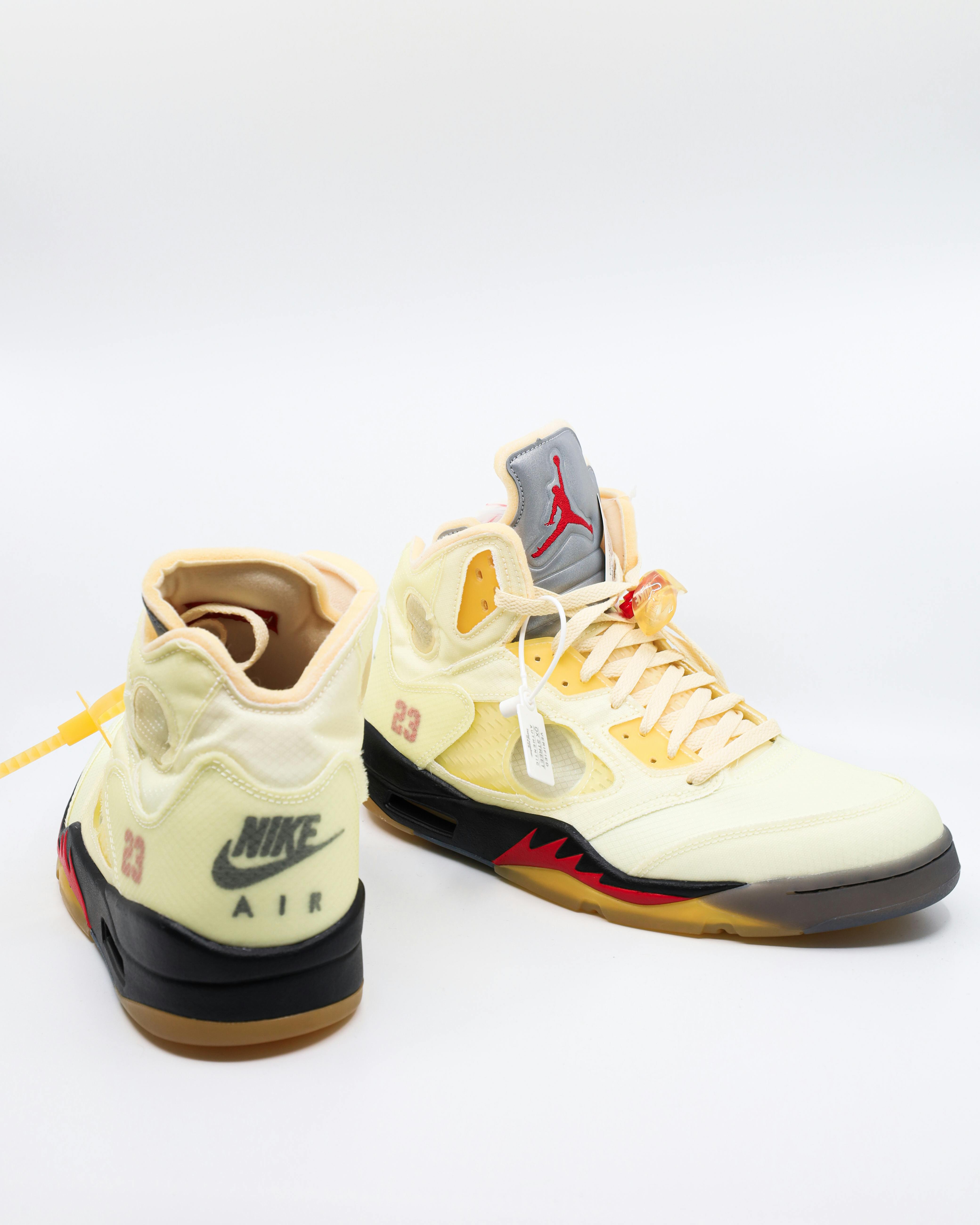
Since 2017, partnership-driven colorways on the Jordan 1 have completely transformed the sneaker industry’s perspective on releases and cultural impact. Virgil Abloh’s Off-White x Air Jordan 1 “Chicago,” part of “The Ten” capsule, broke down the classic shape with visible foam, shifted swooshes, and factory zip-tie tags unlike anything seen before. That shoe — retailing for $190 and now reselling for $4,000 to $12,000 — cemented footwear as design objects and style statements at the same time. Travis Scott’s alliance, particularly the 2019 high-top and the 2022 “Reverse Mocha” low, unveiled the reversed swoosh that triggered endless replicas across the shoe industry. These collaborations created a new category: the “hype collab” release, where the designer’s name holds equal weight to Jordan Brand itself. In 2026, collaborative Jordan 1 releases sell out in under 90 seconds on the SNKRS app and generate more engagement than many big fashion brand releases.
University Blue and the Emotional Weight of Legacy Colorways
The Air Jordan 1 “UNC” or “University Blue” colorway bears profoundly personal resonance because it connects to Michael Jordan’s alma mater, the University of North Carolina at Chapel Hill, where he hit the winning basket in the 1982 NCAA Championship as a freshman. That play ignited Jordan’s path to greatness, and the Carolina blue and white pairing forever connected this colorway to basketball’s most iconic beginning. Every UNC reissue taps into that sentimental core, tying buyers to a narrative of destiny and clutch performance. The 2015 retro was one of the most expected drops of the decade, and the 2021 “Hyper Royal” variation broadened the palette with a tie-dye treatment demonstrating legacy colorways could develop without sacrificing emotional core. Storytelling is the lifeblood of sneaker culture, and no colorway tells a more captivating story than the one connected to Jordan’s career-launching moment. The UNC’s continued significance in 2026 demonstrates that real stories always surpasses artificial buzz.
Why Colorways Are Important More Than Ever in 2026
The Air Jordan 1’s persistent dominance ultimately comes down to one fundamental truth: the silhouette is a blank canvas, and colorways are the artwork that makes it iconic. In an era where Nike drops hundreds of Jordan 1 variants each year, the colorways that resonate hold history — the defiant birth of the Bred, the hip-hop authenticity of the Royal, the design innovation of Off-White. Digital platforms like Instagram and TikTok boost each release into a global event producing millions of interactions within hours. The secondary market, valued at over $10 billion worldwide, operates as a stock market for colorways, with prices fluctuating based on cultural mood and scarcity. For the younger consumers exploring Jordan Brand in 2026, these colorways act as doorways into a deep history covering athletics, music, style, and self-expression. The Jordan 1 showed that the right shades on the right shape become a timeless cultural symbol.